Oakland County remains one of the five hardest-hit counties in Michigan's worsening cyclospora outbreak, which has now sickened more than 8,100 people statewide and sent 160 to the hospital.
The Michigan Department of Health and Human Services reported 8,176 confirmed and probable cases of cyclosporiasis as of Monday, July 27. That figure jumped from 5,002 cases reported Saturday, July 18, a 63% increase in nine days. Hospitalizations climbed to 160, up from 102 the previous week.
The illness has been detected in 71 of Michigan's 83 counties. Wayne, Washtenaw, Oakland, Ingham, and Shiawassee counties have the highest case counts. As of July 17, Oakland County had reported 396 cases. Given the statewide surge since then, the county's current total is likely significantly higher. Updated county-level numbers are expected Thursday, July 30.
Michigan typically sees about 50 cyclosporiasis cases per year.
Lettuce recall and FDA investigation
Taylor Farms de Mexico issued a voluntary recall Friday, July 17, pulling all iceberg lettuce sourced from central Mexico off the U.S. market due to potential Cyclospora contamination, according to the FDA.
The recalled products were distributed across 27 states between June 29 and July 16. Retail items include 12- and 24-ounce bagged iceberg salads and 8- and 16-ounce bags of shredded lettuce sold at Walmart, with best-if-used-by dates of July 18 through August 3.
The FDA said Friday, July 24, that its investigation into the nine-state outbreak is ongoing and advised consumers not to eat any recalled Taylor Farms de Mexico iceberg lettuce.
Taco Bell announced Saturday, July 25, that it has stopped using lettuce from Taylor Farms de Mexico at all of its restaurants.
Federal lawsuits filed
Two Michigan couples filed separate federal lawsuits against Taco Bell and Taylor Farms. Preston and Marie Parrish of Durand filed their suit Friday, July 17, in U.S. District Court for the Eastern District of Michigan, alleging they ate contaminated shredded iceberg lettuce at a Taco Bell in Shiawassee County on June 30 and contracted cyclosporiasis. The lawsuit seeks damages exceeding $75,000 and includes claims of negligence, strict liability, and violations of the Michigan Consumer Protection Act. A second couple also filed suit, though their names and case details have not been publicly reported.
What residents should know
MDHHS spokesperson Lynn Sutfin said Tuesday, July 21, that the department recommends residents buy whole heads of lettuce instead of bagged or pre-mixed lettuce products.
When the state first announced the outbreak investigation July 1, Dr. Natasha Bagdasarian, Michigan's chief medical executive, warned that additional cases were likely. "Based on the unusual number of cases we have identified in a little over a week, we anticipate additional cases of illness being reported," Bagdasarian said at the time.
The outbreak has since dwarfed the state's typical annual total many times over.
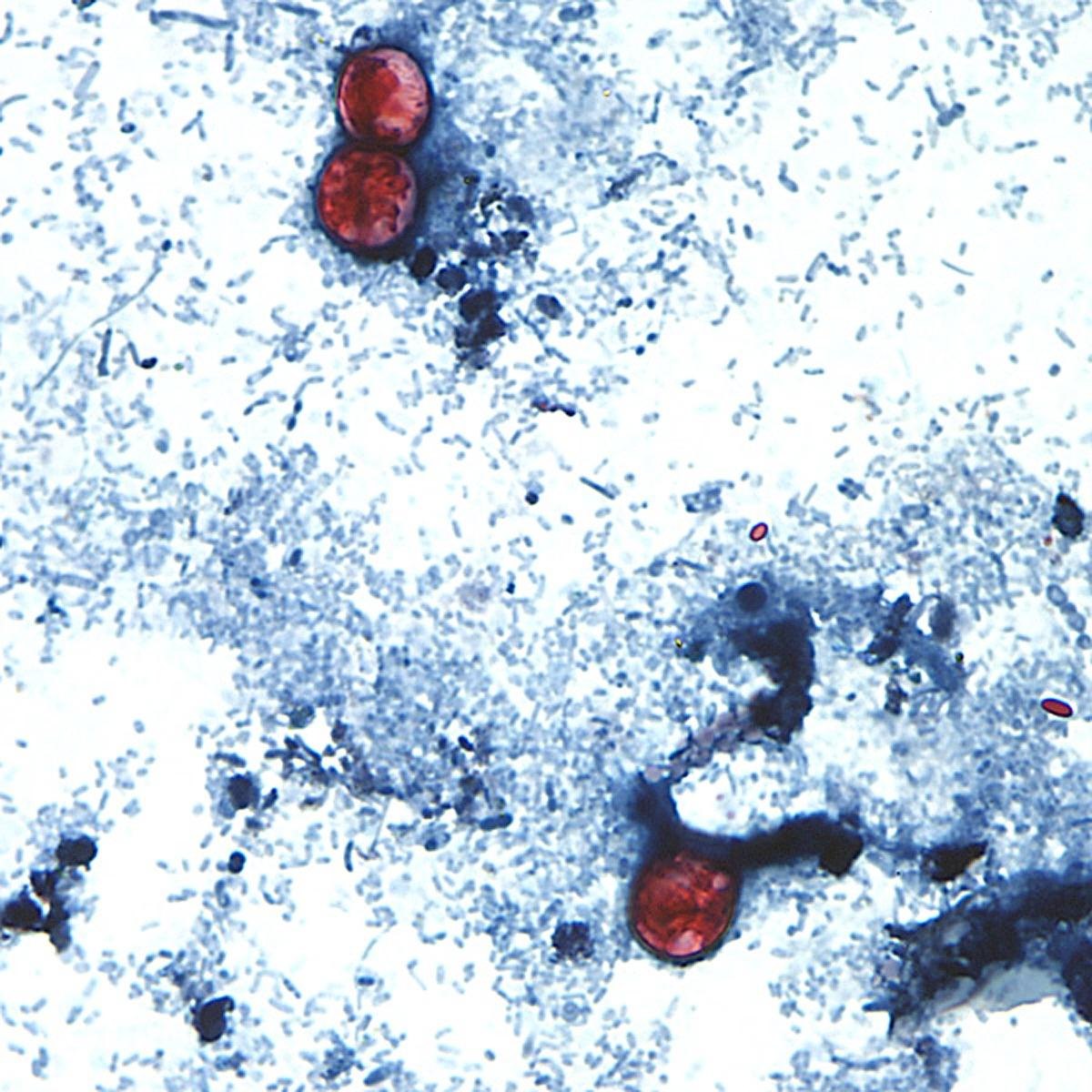
Cyclosporiasis is caused by a microscopic parasite spread through contaminated food or water. It does not spread person to person. Symptoms include watery diarrhea, cramping, nausea, and fatigue, and can appear two days to two weeks after exposure. Alcohol-based hand sanitizer does not kill Cyclospora, but soap and water do. Cooking produce to 158 degrees Fahrenheit or higher also kills the parasite.
Residents who develop sudden, ongoing diarrhea should contact their health care provider. MDHHS posts daily case count updates at michigan.gov/mdhhs, and the next county-level breakdown is due Thursday, July 30.