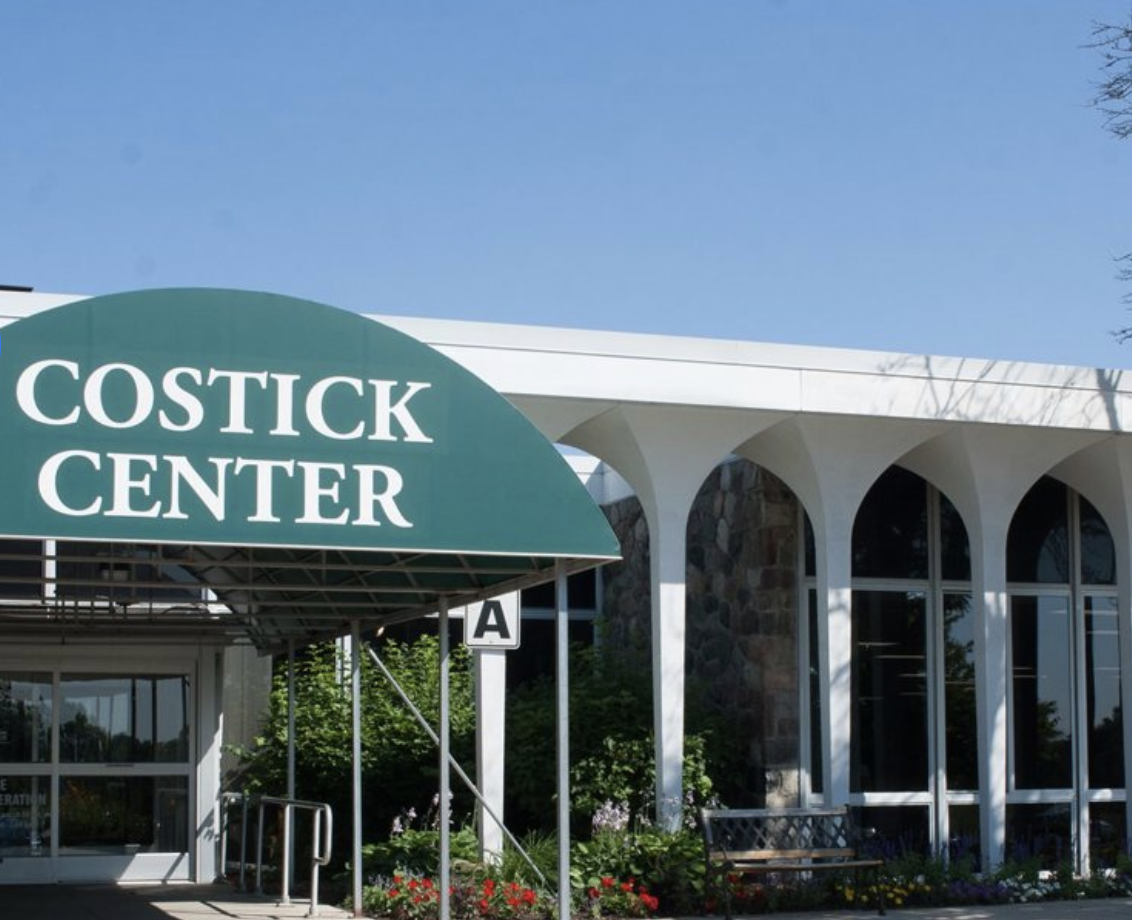
A Farmington Hills homeowner with a taxable value of $100,000 would pay $150 more per year in school taxes if Oakland County's Regional Enhancement Millage passes on Tuesday, August 4. Early voting at the Costick Activities Center in Farmington Hills begins Saturday, July 25.
The 1.5-mill proposal is a new tax, not a renewal. If approved, it would run six years and raise an estimated $125.8 million countywide, according to the official ballot language certified by Farmington Hills City Clerk Carly Lindahl. Farmington Public Schools would receive roughly $781 per student each year, or about $4,686 per student over the life of the millage.
Districts would decide individually how to spend the money. Potential uses include recruiting and retaining teachers, improving school security, and expanding mental health counseling. Farmington Public Schools has not issued a public statement on the millage as of Friday, July 24.
Why supporters say the money is needed
Nearly 30 Oakland County school districts passed resolutions to place the millage on the ballot. Proponents point to state funding that has not kept pace with inflation since Proposal A took effect in 1994, shifting school funding from local property taxes to state per-pupil grants.
Amy Wilcox, superintendent of Hazel Park Public Schools, told C&G Newspapers the nation faces a "significant teacher shortage" and said the millage would help districts offer more competitive salaries. Patricia Perry, superintendent of Madison District Public Schools, said her district has imposed an ongoing pay freeze on teachers and cut intervention positions, relying on grants to fund mental health counseling.
"We are finally beginning to see light at the end of the tunnel, and these (millage) funds would help us continue that positive momentum," Perry told C&G Newspapers on Thursday, July 23.
Critics call it unnecessary
Mark Kimble, a trustee on the Madison District Public Schools board, opposes the measure. He told C&G Newspapers that using millage funds for salaries would be a stopgap districts cannot sustain and suggested consolidating smaller districts instead.
"This proposal is completely unnecessary. Period," Kimble said. "Sure, districts aren't flush with cash right now, but neither are residents. So why should the burden be shifted to them? Make no mistake: This is a new tax. There are so many seniors on fixed incomes, and new homeowners already at their limit."
Southfield Mayor Kenson Siver raised a different concern: because funds are distributed per pupil, larger districts with higher enrollment benefit more while smaller districts pay in more than they get back. Lathrup Village Mayor Bruce Kantor said at a town hall meeting that about 52% of funds collected in Lathrup Village would go to other school districts, calling it a "donor district."
How and when to vote
Early voting runs Saturday, July 25, through Sunday, August 2, at the Costick Activities Center, 28600 W. 11 Mile Road, Farmington Hills. Hours are 8:30 a.m. to 4:30 p.m. daily, except Thursday, July 30, when hours shift to noon to 8 p.m.
On Election Day, Tuesday, August 4, polls open at 7 a.m. and close at 8 p.m. at precinct locations throughout Farmington Hills, including Farmington STEAM Academy and North Farmington High School.