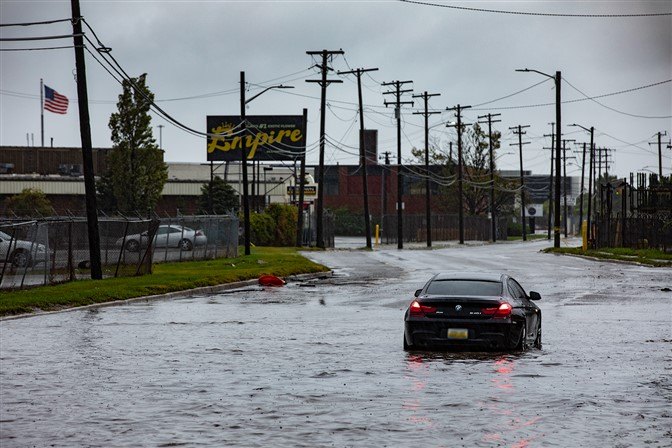
Farmington and Farmington Hills residents who have dealt with basement backups, road closures or storm-drain overflows can now tell regional planners exactly where flood money should go.
SEMCOG, the Southeast Michigan Council of Governments, has opened an online survey asking residents how flooding has affected them and what resilience investments they want to see. The results will directly shape a regional Flooding and Resilience Plan that guides how local governments spend money to prevent and recover from flood damage, The Oakland Press reported Sunday.
The survey closes Aug. 15, according to State Representative Reggie Miller, who promoted it on social media. SEMCOG has not independently confirmed that deadline.
Why it matters locally
Farmington Hills sits in the Rouge River Watershed, one of four watersheds where SEMCOG's plan will develop nature-based flood solutions. The city is already working with the Michigan Department of Environment, Great Lakes and Energy, Oakland County and the Alliance of Rouge Communities on watershed improvements, according to Farmington Hills planning documents.
Farmington Mayor Joe LaRussa served as a SEMCOG vice chairperson as of the task force's September 2025 meeting records, giving the community a direct voice in the council's leadership. Oakland County Commissioner Gwen Markham chairs the body.
The scope of the problem
A SEMCOG task force survey found that 97% of southeast Michigan communities experienced flooding in the last five years. The most common impacts: private property damage (86%), basement backups (74%), local road closures (69%) and public property damage (66%). Since 2004, the region has logged more than 260,000 flooding-related federal assistance claims totaling hundreds of millions of dollars.
The damage is real.
"Flooding in our community has been awful. Our citizens sued the city," one anonymous task force member said at the group's September 2025 kickoff meeting, underscoring the urgency behind the planning effort.
The task force includes more than 80 professionals across elected office, engineering, state agencies, nonprofits and academia. A final plan is scheduled for approval at SEMCOG's General Assembly in March 2027. Projects identified in the plan will be eligible for reduced-match federal funding through the FHWA PROTECT grant program, making them more competitive for additional dollars.
How to participate
Residents can take the survey at surveymonkey.com/r/KQHY5XD. It asks about personal flooding experiences and preferred resilience strategies.