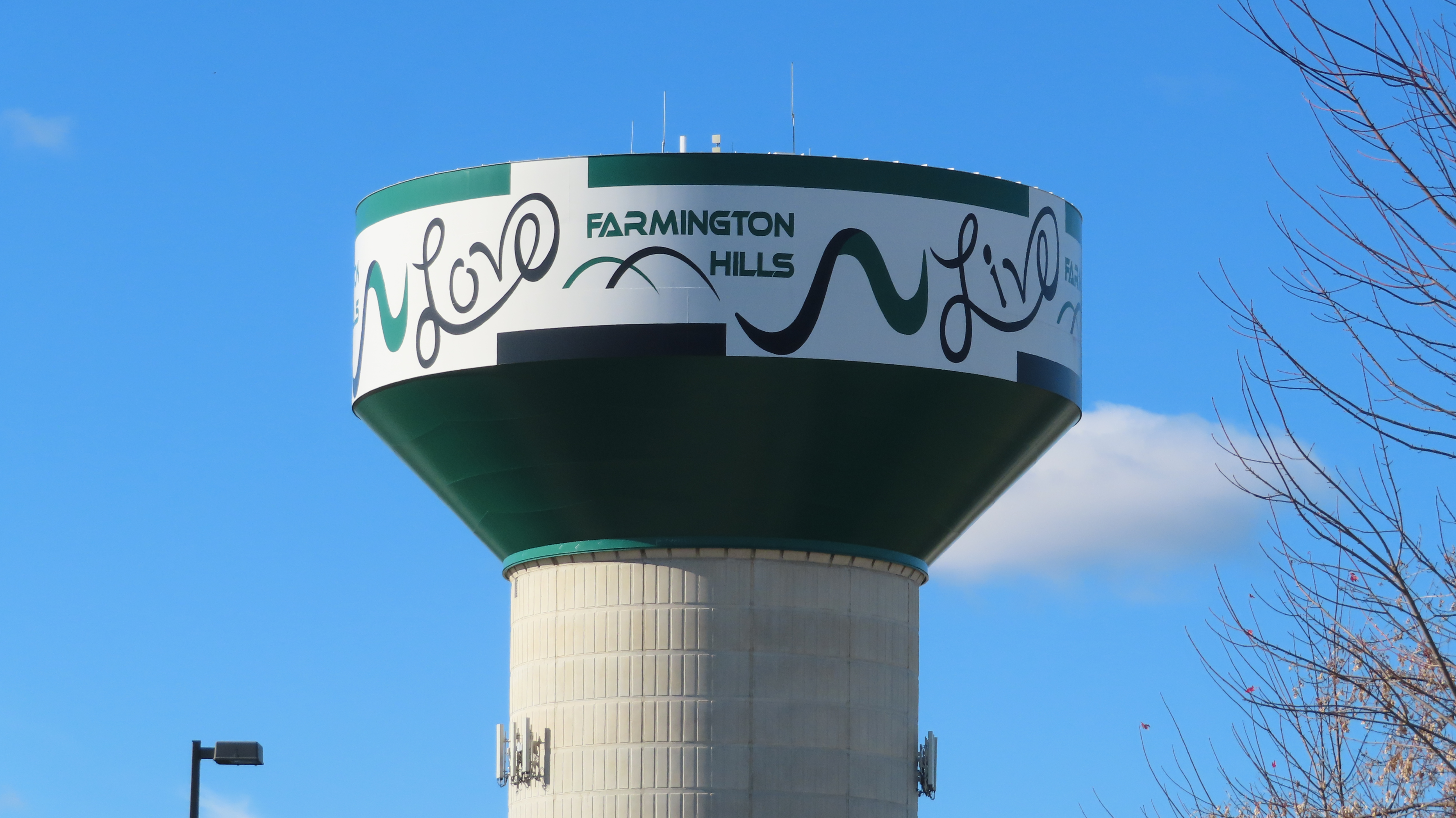
The average 30-year fixed mortgage rate climbed to 7.40% in the weekly survey released Thursday, Oct. 8, its highest level in nearly three years. In Farmington Hills, where the median home sold for $409,000 in September, the jump since February can add hundreds of dollars to monthly payments for buyers taking out new loans.
Freddie Mac reported the increase, the seventh straight weekly rise, according to the Associated Press via ClickOnDetroit. The rate stood at 6.30% a year ago and briefly dipped to 5.98% in late February before subsequently rising.
That 1.42-percentage-point jump since February translates to roughly $376 more per month in principal and interest for a borrower with a $400,000, 30-year fixed mortgage, according to the AP. That excludes taxes and insurance.
September closings in Farmington Hills
Farmington Hills saw 70 homes close in September at a median price of $409,000, with a 12-day median time on market, according to Realcomp MLS data compiled by the Perna Team. The city had 186 active listings and 3.18 months of supply as of the report’s Oct. 2 data pull.
The $350,000 to $500,000 price bracket is the tightest segment in Farmington Hills, with just 2.33 months of supply. For sales in that range over the 12 months ending in September, the median sale-to-original-list-price ratio was 100%, according to Perna’s analysis. No homes priced above $750,000 closed in either August or September in the report’s MLS data.
Tom Gilliam, a real estate agent with RE/MAX Classic in Farmington Hills who has worked Oakland County real estate for 24 years, wrote in an Oct. 2 Patch analysis that the monthly payment on a $400,000 loan had already jumped about $344 since the February low. The rate has climbed further since.
Across the Detroit metro, active listings were up 13% year over year in September, according to Realtor.com's monthly housing report. About 21.5% of metro Detroit listings carried a price cut, above the national rate of 20.8%.
Why rates keep climbing
Mortgage rates have surged since the start of the U.S. conflict with Iran in late February, the AP reported. Surging oil prices have fueled inflation fears, pushing the 10-year Treasury yield to 5.29% at midday Thursday, Oct. 8. That is its highest level since 2002.
The Federal Reserve raised its benchmark interest rate on Sept. 16, according to its official statement. It was the first increase in three years, according to an AP report carried by the Michigan Independent, which also reported that the Fed signaled another hike could follow.
Lisa Sturtevant, chief economist at Bright MLS, said in that AP report that the hike "all but guarantees that mortgage rates will remain stuck at or above the 7% threshold." She called it a psychological and financial barrier that will sideline buyers.
Nationally, the number of homes under contract fell 4.1% year over year in September, the largest such drop since March 2025, according to Realtor.com. Mortgage applications fell for the fifth straight week, and refinance applications dropped to their lowest level since January 2025, according to MBA figures cited in the AP’s Oct. 8 report.
What's ahead
Kara Ng, senior economist at Zillow Home Loans, said rates are likely to move only a little lower, according to Money.com. Zillow's revised forecast expects the 30-year rate to average 7.1% by year's end.
Michigan's MSHDA Rate Relief Mortgage Program, which offered eligible buyers a full percentage-point reduction, had ended, according to a February MSHDA press release. The agency's MI Home Loan program for first-time buyers remains active, with a sales price cap of $566,355 and a minimum credit score of 640. Household income limits also apply.