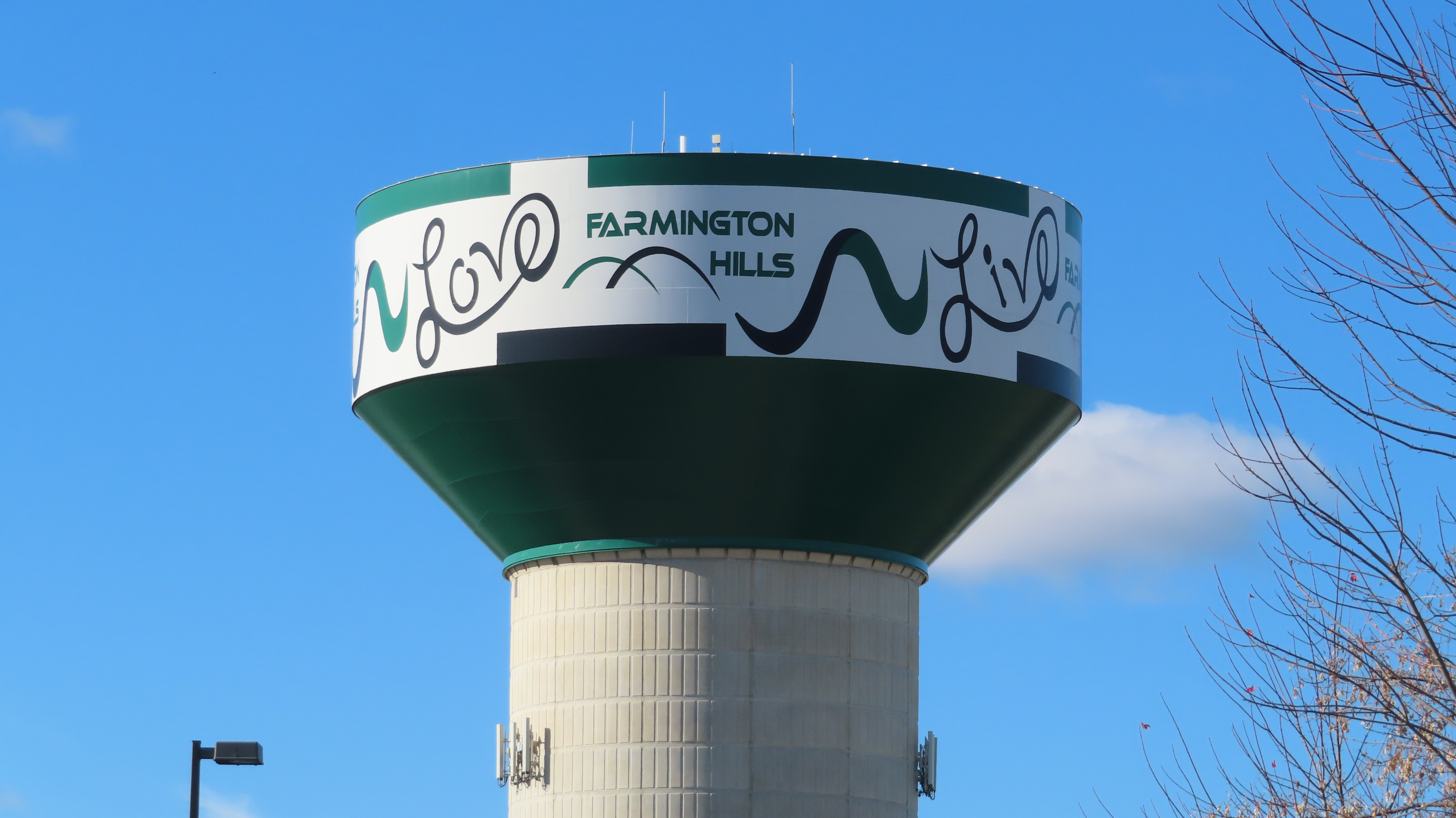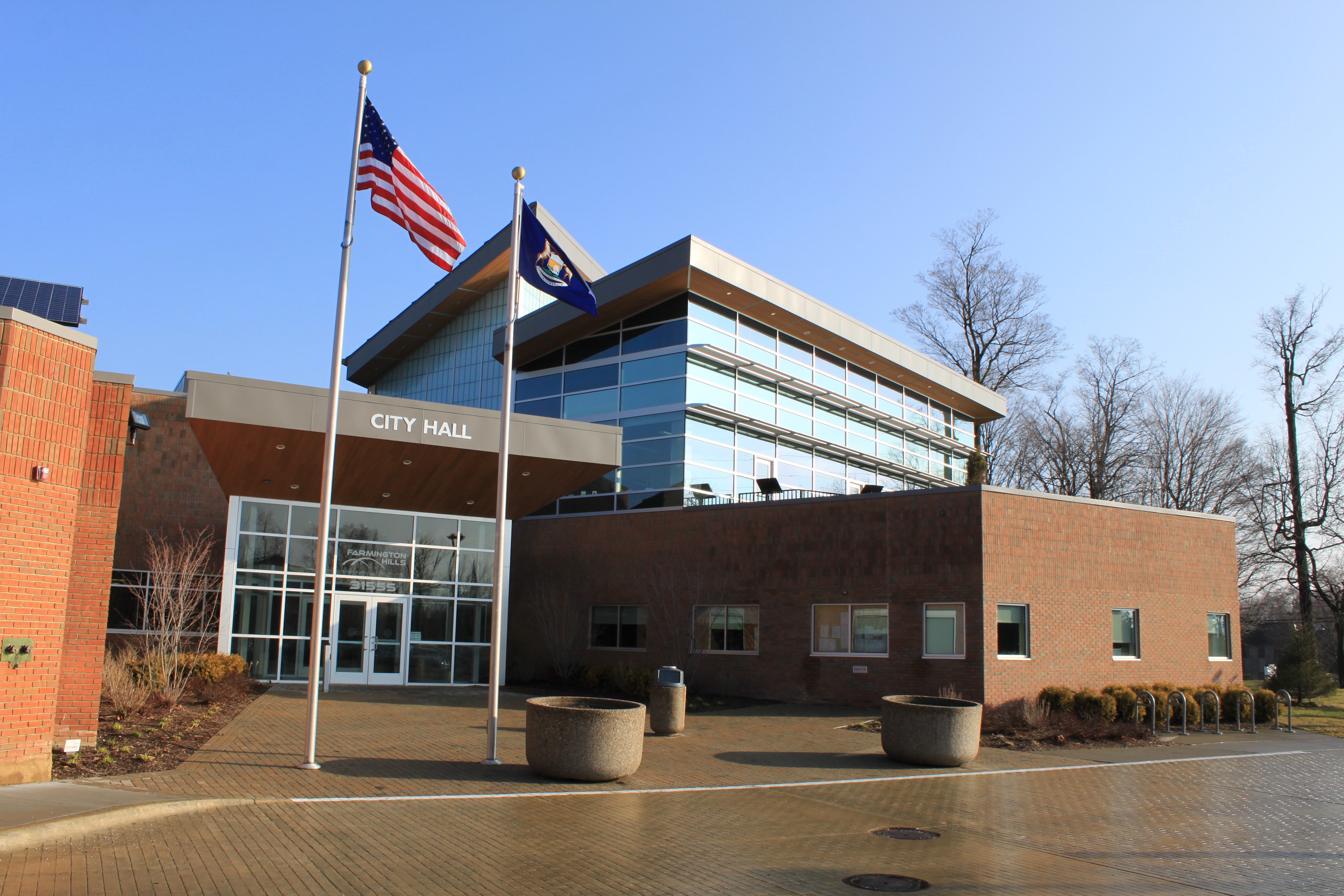
Data center fights across Oakland County are putting new attention on how Farmington Hills regulates the developments, weeks after state Sen. Rosemary Bayer urged city officials to prepare before a proposal arrives.
At least 28 officials across eight Michigan communities have faced recall efforts tied to data center decisions, according to a Bridge Michigan tally reported Tuesday, Aug. 25, by The Oakland Press. Only one of those officials is expected to face a recall vote on the November ballot.
Farmington Hills does not have a confirmed data center proposal under consideration. Bayer addressed the City Council on July 13 about issues communities may face when such projects are proposed, including noise, heavy water use and complex zoning disputes, according to C&G News.
"The important thing is to know what you are getting into and take the lead and do what makes sense for your community," Bayer told council members.
Councilmember Michael Bridges said he supported requiring community benefit agreements as part of potential data center rules.
"I like the component requiring the community benefit agreement as an essential part … That can identify the benefit for Farmington Hills," Bridges said.
No subsequent Farmington Hills City Council action on data center zoning has been publicly confirmed.
Wixom considers new restrictions
Nearby Wixom is further along in the process.
The Wixom City Council voted 4-3 on Aug. 11 to advance proposed zoning regulations for data centers while the city remains under a six-month development moratorium.
The proposed rules would restrict where data centers can operate, require setbacks of 1,500 to 2,640 feet from residential areas and require developer-funded baseline noise studies.
Wixom City Council is scheduled to consider final adoption of the ordinance Tuesday evening, Aug. 25.
The zoning debate comes as developer Wixom Industrial One and St. Louis-based Sansone Group pursue a proposed three-building data center complex near Wixom Road and Pontiac Trail.
The developers sued the city in federal court on Aug. 7, challenging the moratorium and seeking to move the project forward.
West Bloomfield Township has also adopted a development moratorium while officials review local rules ahead of potential data center proposals, according to C&G News.
Lyon Township recall misses ballot
In Lyon Township, a recall effort tied to the approval of a large data center project failed to qualify for the November ballot.
Aaron Rinehimer, a leader of the recall effort, told Bridge Michigan that organizers are discussing possible next steps for a May election.
"It's disappointing because, you know, obviously, we believed in the effort," Rinehimer said.
The dispute centers on Project Flex, a proposed six-building, 1.8-million-square-foot data center complex on 172 acres east of Milford Road and south of Grand River Avenue.
The Lyon Township Planning Commission conditionally approved the project in September 2025.
Because the property was already zoned for the proposed use and the developers were not seeking a rezoning or variance, Township Board approval was not part of the site-plan process. The planning commission handled the approval.
Around 125 residents attended a January 2026 Planning Commission meeting and raised concerns about drinking water wells, air quality and energy reliability, according to Planet Detroit.
When residents enter the process
Sarah Mills, an associate professor of practice at the University of Michigan, told Bridge Michigan that Michigan's planning and zoning system generally brings residents into the process after a developer has already designed a project and submitted an application.
By that point, she said, residents may have fewer opportunities to substantially reshape the proposal.
Mills also warned that repeated recall campaigns could push experienced officials out of local government and discourage residents from serving on planning commissions and other local boards.
The Economic Development Responsibility Alliance of Michigan, a group opposing or scrutinizing data center projects, is tracking disputes in more than 34 Michigan communities.
For Farmington Hills, the nearby fights are unfolding before any confirmed data center proposal has reached the city — giving officials an opportunity to decide how they want local rules to work before one does.